.svg)


Innovations in solar technology you should know

Choosing the right solar system is an important step toward efficient and sustainable energy use. With different system types, capacities, and technologies available, understanding your energy needs helps you select a solution that delivers long-term savings, reliability, and environmental benefits.
Selecting a solar system begins with evaluating your current electricity consumption and available installation space. Factors such as roof size, sunlight exposure, and daily energy usage play a critical role in determining the system capacity that will perform efficiently over time.
It’s also important to consider the type of solar system that suits your lifestyle. Grid-tied systems offer cost efficiency, off-grid systems provide energy independence, and hybrid systems combine the best of both. Each option serves different needs depending on location, budget, and energy reliability requirements.
.webp)
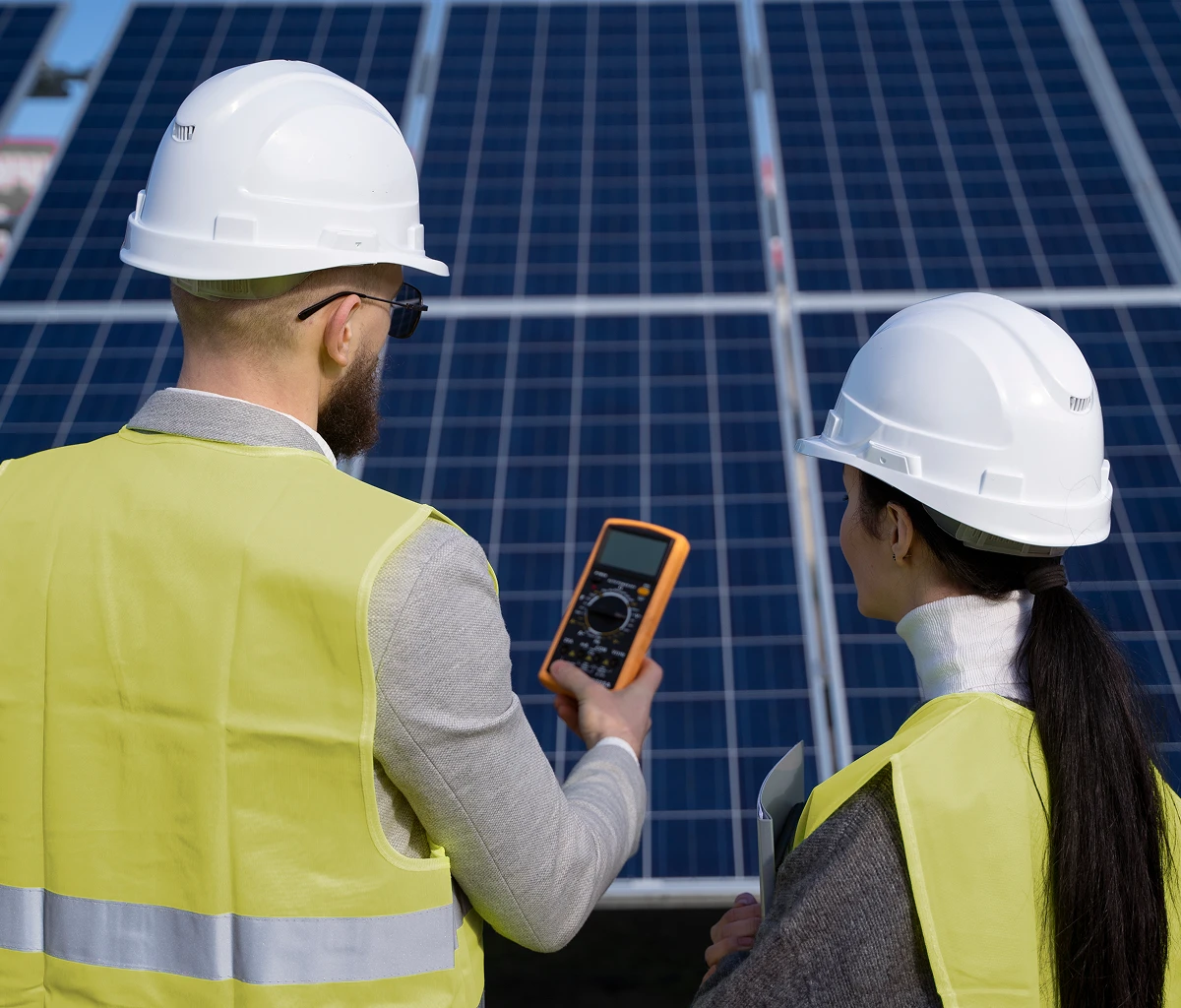

Understanding solar panel types is essential when making a decision. Monocrystalline panels offer high efficiency in limited spaces, while polycrystalline panels provide a more affordable option for larger installations with sufficient sunlight availability.
Energy storage is another key factor in choosing the right system. Battery solutions allow you to store excess solar power for nighttime or backup use, improving reliability and reducing dependence on the grid during power outages.
By assessing your energy goals, budget, and long-term plans, you can select a solar system that aligns with your lifestyle. The right choice not only maximizes energy efficiency but also supports a smoother transition toward sustainable living.